What Is a Food Allergy?
A food allergy happens when your body reacts to certain foods. The immune system sees some foods as harmful, even if they are safe for most people. Because of this, it tries to fight them off. This can cause mild or severe symptoms. Food allergy is different from food intolerance, which does not involve the immune system. According to the CDC, food allergies affect millions of people worldwide. In some cases, even a small amount of the food can cause a reaction.
Common Food Allergy Triggers
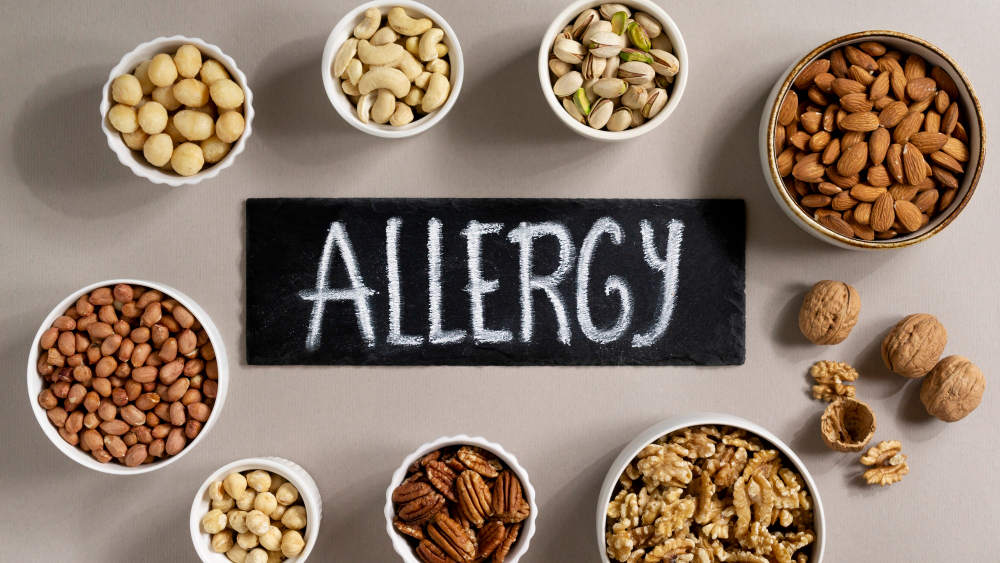
Many foods can cause allergies. However, some foods are more likely to trigger a reaction. Knowing these common food allergy triggers can help you stay safe. For example, children and adults may react to different foods. Here are the most common triggers:
In some areas, sesame and mustard are also common triggers. Always check food labels, especially when traveling or eating out.
Symptoms of Food Allergies
Food allergy symptoms can appear within minutes or up to two hours after eating. Sometimes, symptoms are mild. Other times, they can be severe. For instance, you may notice:
Because symptoms can vary, it is important to watch for any changes after eating new foods. If you notice trouble breathing or swelling, seek help right away.
When Food Allergies Become Serious
Sometimes, a food allergy can cause a severe allergic reaction called anaphylaxis. This is a medical emergency. Anaphylaxis can happen quickly and may be life-threatening. Signs of a severe allergic reaction include:
If you or someone else has these symptoms, call emergency services right away. Early treatment can save lives. People with known food allergies should carry an epinephrine auto-injector if prescribed.
Prevention and Lifestyle Tips
While you cannot always prevent food allergies, you can lower your risk of a reaction. Here are some helpful tips:
Additionally, some studies suggest introducing common allergens early in life may help prevent allergies, but always talk to your doctor first.
When to See a Doctor
If you think you have a food allergy, see a healthcare provider. They can help diagnose your allergy and guide you on how to manage it. For example, your doctor may suggest allergy testing. If you have had a severe allergic reaction or anaphylaxis, seek emergency care right away. Even mild symptoms should not be ignored, as they can become worse over time.
In summary, food allergies can be serious, but with the right steps, you can stay safe. Consult Dr. Naimisha Rao for personalized advice on managing food allergies.