What Is Urticaria (Hives)?
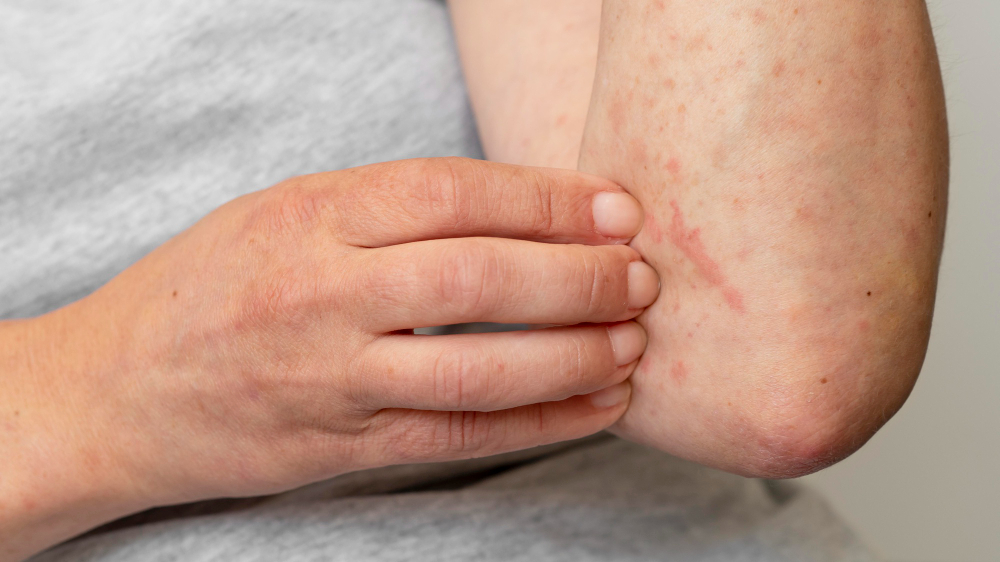
Urticaria, also called hives, is a common skin problem. It causes red, itchy bumps or welts on the skin. Often, these sudden skin reactions appear quickly and may go away within hours. Sometimes, hives last for days or even weeks. According to the World Health Organization (WHO), urticaria affects people of all ages. However, it is not usually dangerous. Still, it can be very uncomfortable.
Common Symptoms and How to Recognize Sudden Skin Reactions
Hives can look different from person to person. But, there are some signs you can watch for. For example, you may notice:
Sometimes, hives come with other symptoms. For instance, you might feel a burning or stinging feeling. In rare cases, swelling can make it hard to breathe. If this happens, seek help right away.
Main Causes and Triggers of Urticaria
Many things can cause hives. Often, the body reacts to something harmless as if it were a threat. As a result, the immune system releases a chemical called histamine. This causes the skin to swell and itch. Common triggers include:
Sometimes, the cause of hives is not clear. This is called idiopathic urticaria. According to the Centers for Disease Control and Prevention (CDC), most cases are mild and go away on their own.
How Urticaria Is Diagnosed
Doctors usually diagnose hives by looking at your skin and asking about your symptoms. In addition, they may ask about recent foods, medicines, or activities. Sometimes, tests are needed. For example, blood tests or allergy tests can help find the cause. However, in many cases, no clear cause is found. Even so, doctors can still help you manage symptoms.
Treatment Options and Self-Care Tips
Most cases of urticaria do not need special treatment. Still, there are ways to feel better. For mild hives, you can try:
For severe or long-lasting hives, your doctor may suggest other medicines. For example, they might prescribe steroids or stronger allergy drugs. Always follow your doctor’s advice for urticaria treatment.
Prevention Strategies and Lifestyle Guidance
While you cannot always prevent hives, some steps can help. For instance, you can:
Because triggers can be different for everyone, it helps to learn what affects you. Over time, you may notice patterns. This can make it easier to avoid sudden skin reactions.
When to Seek Medical Help
Most hives are mild and go away on their own. However, you should see a doctor if:
In these cases, quick medical care is important. Sometimes, hives can be a sign of a serious allergic reaction called anaphylaxis. This needs emergency treatment.
Conclusion
In summary, urticaria (hives) can cause sudden skin reactions that are itchy and uncomfortable. But, most cases are not dangerous. With the right care and by avoiding triggers, you can manage symptoms. If you have concerns or severe symptoms, consult Dr. Naimisha Rao for personalized advice on managing urticaria.